Law Enforcement Glossary
Law Enforcement Glossary
This is a glossary about my field of study which is the law enforcement. As we all know, the concept of law enforcement is pretty straight forward universally, it has and will always be there to serve and protect the people. In fact, most of us have already had an encounter (or more!) with the law enforcement and hopefully, it ended up well. Today, with the help of this glossary, we will try to learn a couple of words related to this field of study. This will, with a bit of luck, help you get a better understanding of this field of study and some of the terms related to it to make sure that you'll be ready for your next run-in with the police!
- arrest
- noun
- The action of seizing someone to take into custody.
- Example: Following her arrest, black leaders in the city, including King, decided to set up a permanent organisation to run a bus boycott and handle other racial difficulties.
- fr: arrêter

- authority
- noun
- The power or right to give orders, make decisions, and enforce obedience.
- Example: As s.118 provides for the offender to be taken into custody, the judge felt his authority was restricted to committals for contempts made in the face of the court.
- fr: autorité

- citizen
- noun
- An inhabitant of a particular town or city.
- Example: Here we find the distinction that Rousseau makes between a narrow form of personal interest and a wider, more coherent form of enlightened interest, being the best for the community, and thus, indirectly, each citizen's actual will, as it secures the best-considered proposal and enjoys general support of the citizenry.
- fr: citoyen

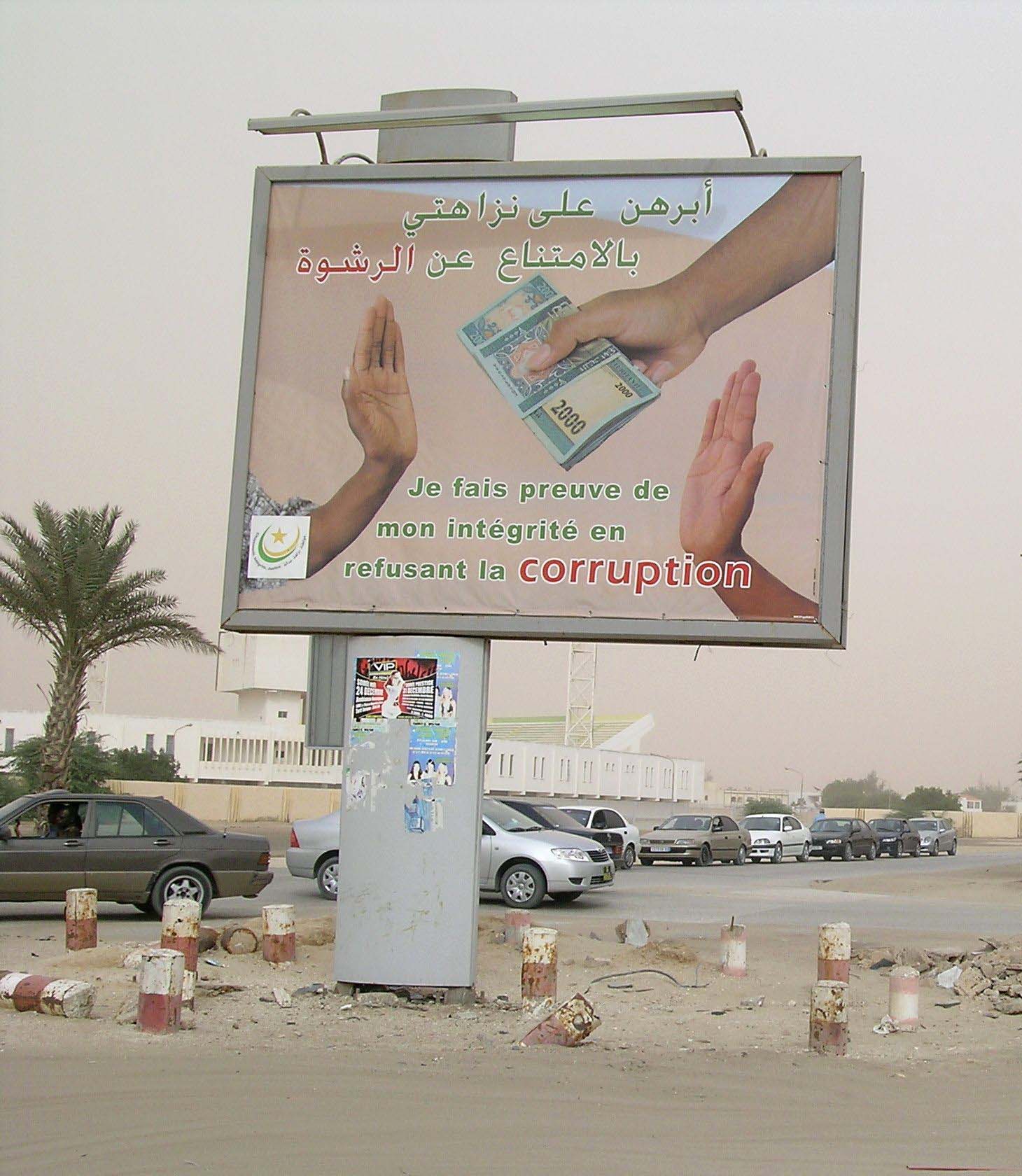
- corruption
- noun
- Dishonest or fraudulent conduct by those in power, typically involving bribery.
- Example: The resulting exposure of fraud and possible corruption following the 2000 election, has led to an awareness that one's vote, despite having registered, may not be counted.
- fr: corruption
- court
- noun
- A tribunal presided over by a judge, judges, or a magistrate in civil and criminal cases.
- Example: This essay shall consider the court's reasoning behind its decision on the two material facts of the case.
- fr: tribunal

- crime
- noun
- An action or omission that constitutes an offense that may be prosecuted by the state and is punishable by law.
- Example: They are legitimate but cannot curtail the advantages of having a large database for efficiency in dealing with crime and in the deterrence of present and future criminals.
- fr: crime

- duty
- noun
- A moral or legal obligation; a responsibility.
- Example: It is my duty to uphold the law.
- fr: devoir

- evidence
- noun
- The available body of facts or information indicating whether a belief or proposition is true or valid.
- Example: The study finds little evidence of overt discrimination.
- fr: preuve

- judge
- noun
- A public official appointed to decide cases in a court of law.
- Example: In his interpretation of the statute, the trial judge was guided by the general presumptions against deprivation of liberty and alteration of the common law.
- fr: juge

- jurisdiction
- noun
- The official power to make legal decisions and judgments.
- Example: On appeal, however, the Court of Appeal found that the mischief, that the county court's jurisdiction cannot extend to contempts outside of the courtroom, was already provided for by the common law.
- fr: juridiction

- law
- noun
- The system of rules which a particular country or community recognizes as regulating the actions of its members and which it may enforce by the imposition of penalties.
- Example: They were taken to court for breaking the law.
- fr: loi

- official
- noun
- A person holding public office or having official duties, especially as a representative of an organization or government department.
- Example: The mayor, in the UK, does not have direct sway over the administration of the council, which remains independently headed by a non-political official, usually called the chief executive, appointed by the whole of the council.
- fr: officiel

- order
- verb
- To give an authoritative direction or instruction to do something.
- Example: I order you to exit the room right now!
- fr: ordonner

- police officer
- noun
- A male or female member of the police force.
- Example: McConville conveys the discrepancies between on and off-camera communication between a suspect and a police officer.
- fr: officier de police

- power
- noun
- The capacity or ability to direct or influence the behavior of others or the course of events.
- Example: A police officer has the power to arrest you.
- fr: pouvoir

- procedure
- noun
- A series of actions conducted in a certain order or manner.
- Example: Following TEU, decisions on the environment are made by way of qualified majority voting coupled with the co-decision procedure, which makes the decision-making process easier and gives a more prominent role to the European Parliament.
- fr: procédure
- security
- noun
- The state of being free from danger or threat.
- Example: Police officers are there, partially, to bring a sens of security to the community.
- fr: sécurité

- sheriff
- noun
- An elected officer in a county who is responsible for keeping the peace.
- Example: At John Robert's execution a running religious dispute featured between a sheriff, who had no qualms with the former talking, and the under officer who was shocked that a catholic priest could be allowed to 'allure the king's people in this sort.
- fr: shérif

- state
- noun
- A nation or territory considered to be an organized political community under one government.
- Example: All police officers work for the state.
- fr: état

- use of force
- phrase
- The use of force, in the context of law enforcement, may be defined as the amount of effort required by police to compel compliance by an unwilling subject.
- Example: The threat or use of force across state borders by a state aimed at preventing or ending widespread and grave violations of the fundamental human rights of individuals other than its own citizens, without the permission of the state within whose territory force is applied.
- fr: usage de la force
